Nail technicians should use proper respiratory PPE like N95‑type masks or equivalent respirators whenever filing, buffing, or using acrylics, not just simple surgical masks.
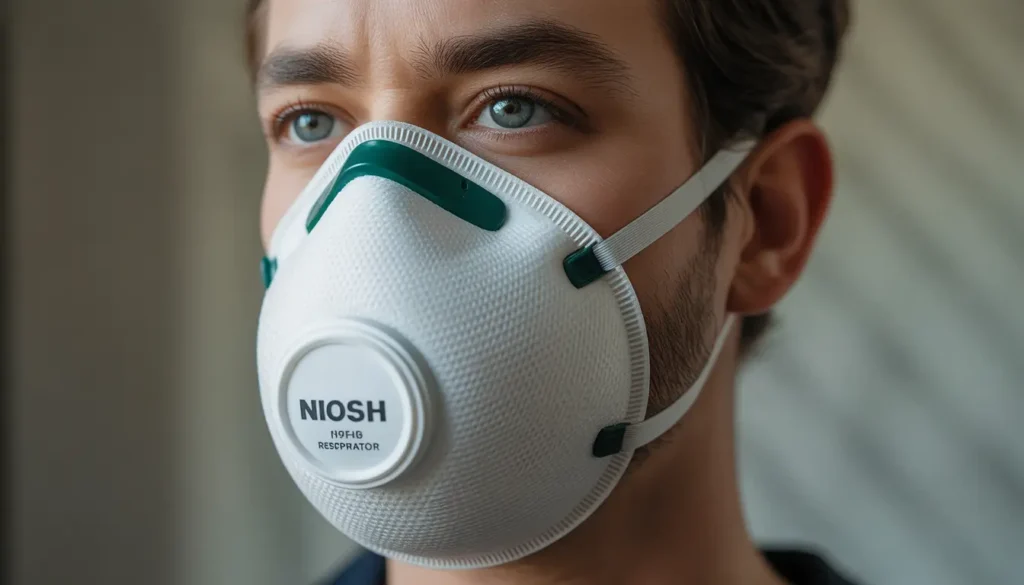
- NIOSH‑approved N95 or N100 filtering facepiece respirators are recommended because they are designed to filter at least 95–99.97% of fine airborne particles like nail dust when correctly fitted.
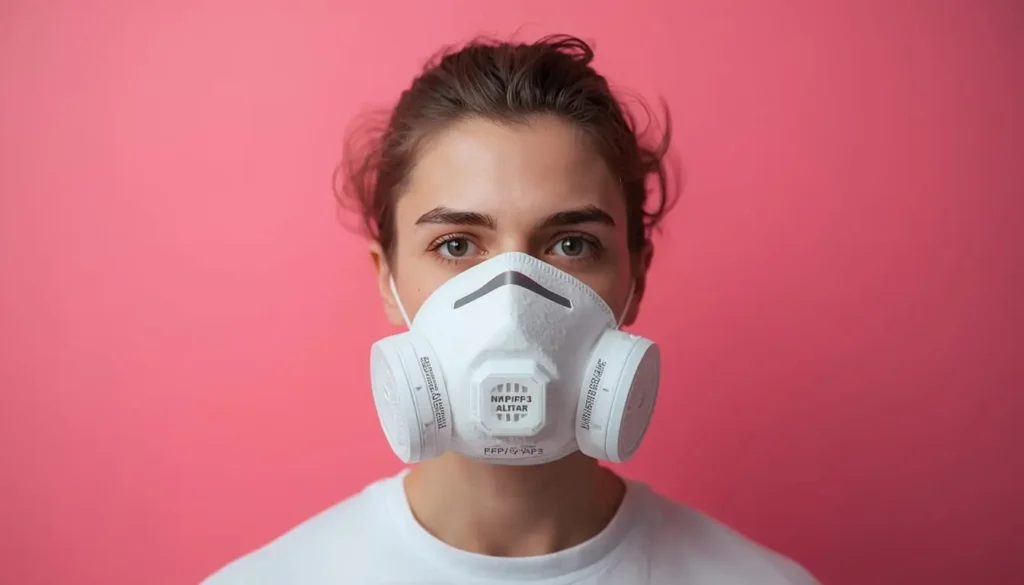
- Some salon and safety guides recommend FFP2/FFP3 (EU standard, similar to N95/N99) or reusable half‑face respirators with particle filters for techs who do heavy e‑file or acrylic work all day.
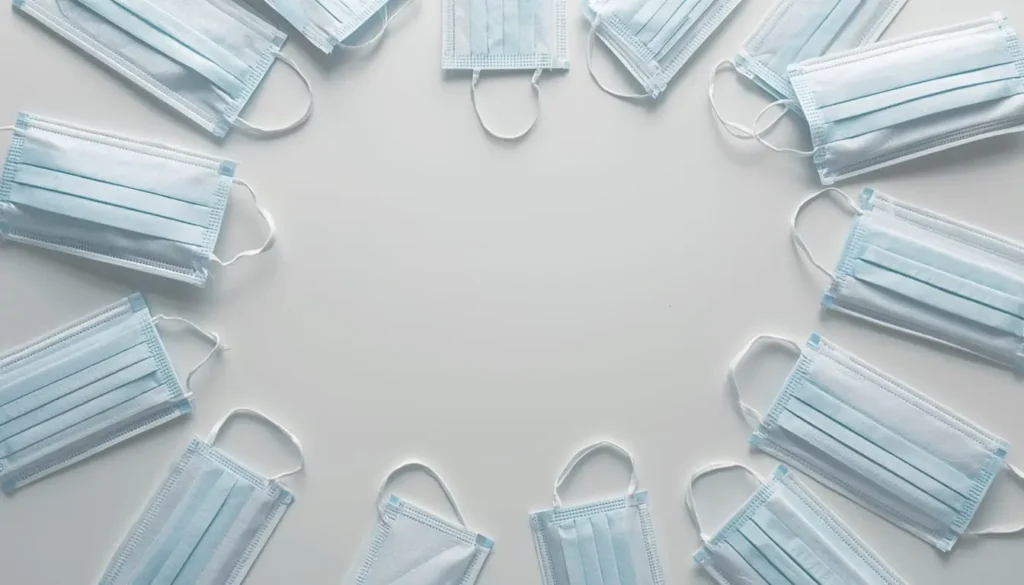
- Basic paper or surgical/“doctor” masks mainly help with splashes and germs and do not reliably filter fine dust, so they are considered inadequate as the primary lung protection in nail work.
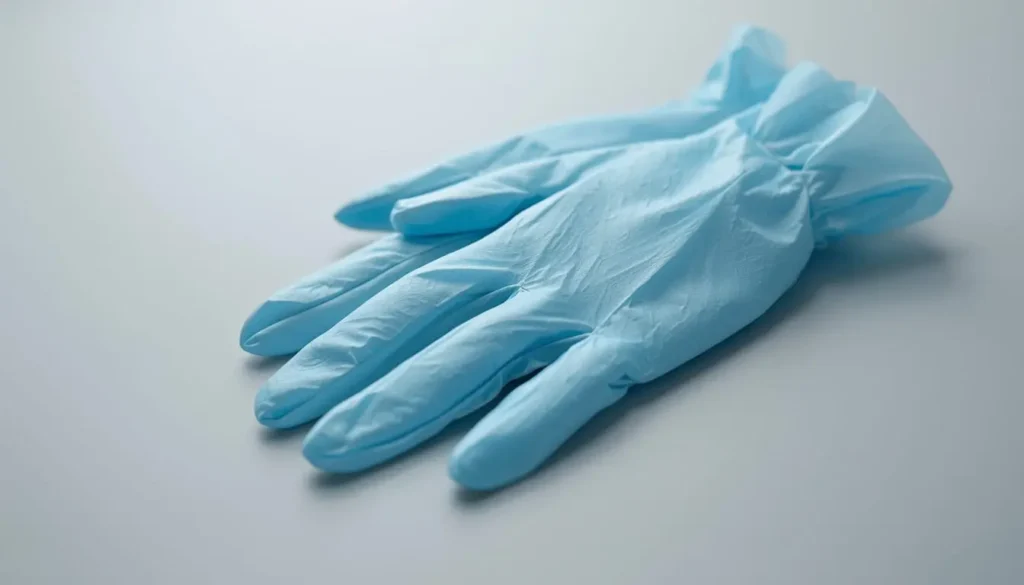
- Nitrile or similar disposable gloves protect skin from dust and chemicals and are recommended by OSHA‑type guidance along with respiratory PPE.
- Local exhaust ventilation or a vented/dust‑collecting table that captures dust and fumes near the work area is strongly advised, because ventilation plus a good mask gives much better lung protection than either alone.
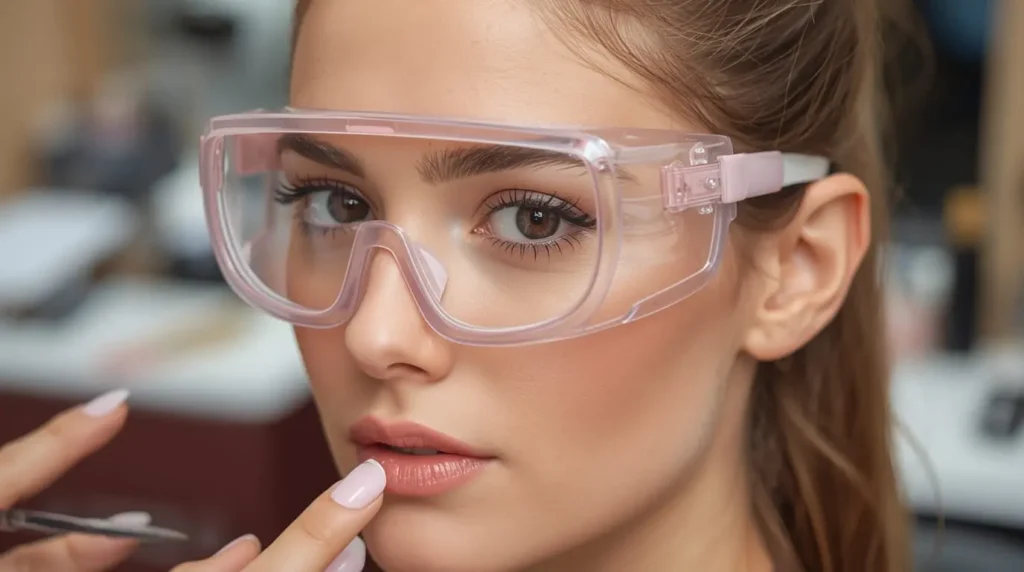
- Safety glasses or goggles can stop dust from irritating the eyes, and good general ventilation (fresh air, exhaust fans) reduces what the mask has to filter.
- Make sure the respirator fits your face properly (no big gaps at the sides) and follow any fit‑testing or training rules in your area.
- Wear the respirator whenever you are filing, drilling, or working with acrylic/gel products that generate visible dust, not only when you “feel” it in the air.
- Change disposable masks regularly or replace filters on reusable respirators as instructed; a dirty or damp mask loses effectiveness and can be uncomfortable.